

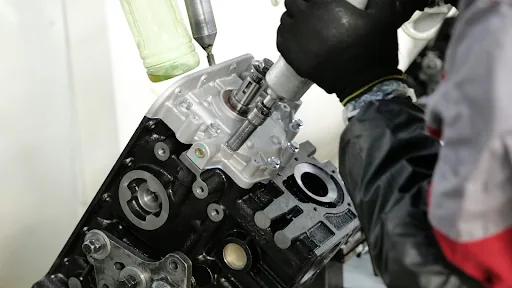
Precision engineering plays a vital role in ensuring industrial projects are executed efficiently, safely, and within budget. From the earliest planning stages to final commissioning, accuracy and attention to detail significantly influence project outcomes.
The Importance of Precision in Industrial Planning
Every successful project begins with detailed planning. Precision engineering ensures that designs are based on accurate calculations, realistic assumptions, and comprehensive risk assessments. Early-stage precision helps prevent design flaws that can lead to delays, rework, or operational inefficiencies.
Accurate planning also allows project teams to allocate resources effectively, select appropriate materials, and anticipate potential challenges. This proactive approach reduces uncertainty and sets a strong foundation for execution.
Minimizing Errors During Execution
During construction and installation, precision engineering ensures that every component fits and functions as intended. Small inaccuracies can lead to misalignment, structural weaknesses, or system failures, resulting in costly corrections and downtime.
Precision workmanship minimizes material waste, reduces labor inefficiencies, and ensures compliance with engineering specifications. This level of accuracy not only improves safety but also accelerates project timelines.
Reducing Operational and Financial Risks
Errors in engineering projects often translate into financial losses. Rework, delays, equipment damage, and operational failures can significantly increase costs. Precision engineering reduces these risks by ensuring that systems are designed and installed correctly the first time.
By minimizing uncertainties and unexpected expenses, organizations can maintain budget control and improve return on investment. Precision engineering also enhances predictability, allowing stakeholders to plan operations with confidence.
The Role of Commissioning
Commissioning is the final and most critical phase of an engineering project. It verifies that systems operate as designed and meet performance, safety, and regulatory requirements. Precision engineering ensures that commissioning processes are smooth, efficient, and reliable.
Well-engineered systems require fewer adjustments, experience fewer failures, and achieve optimal performance faster. This reduces downtime during startup and ensures seamless integration into operations.
Long-Term Value Through Precision
Precision engineering does not end at project completion. Systems built with accuracy and care are easier to maintain, more reliable, and less prone to failure. Over time, this translates into lower maintenance costs, improved safety, and extended equipment lifespan.
In industrial environments where margins are tight and risks are high, precision engineering is a powerful tool for reducing cost, minimizing risk, and ensuring operational excellence.