

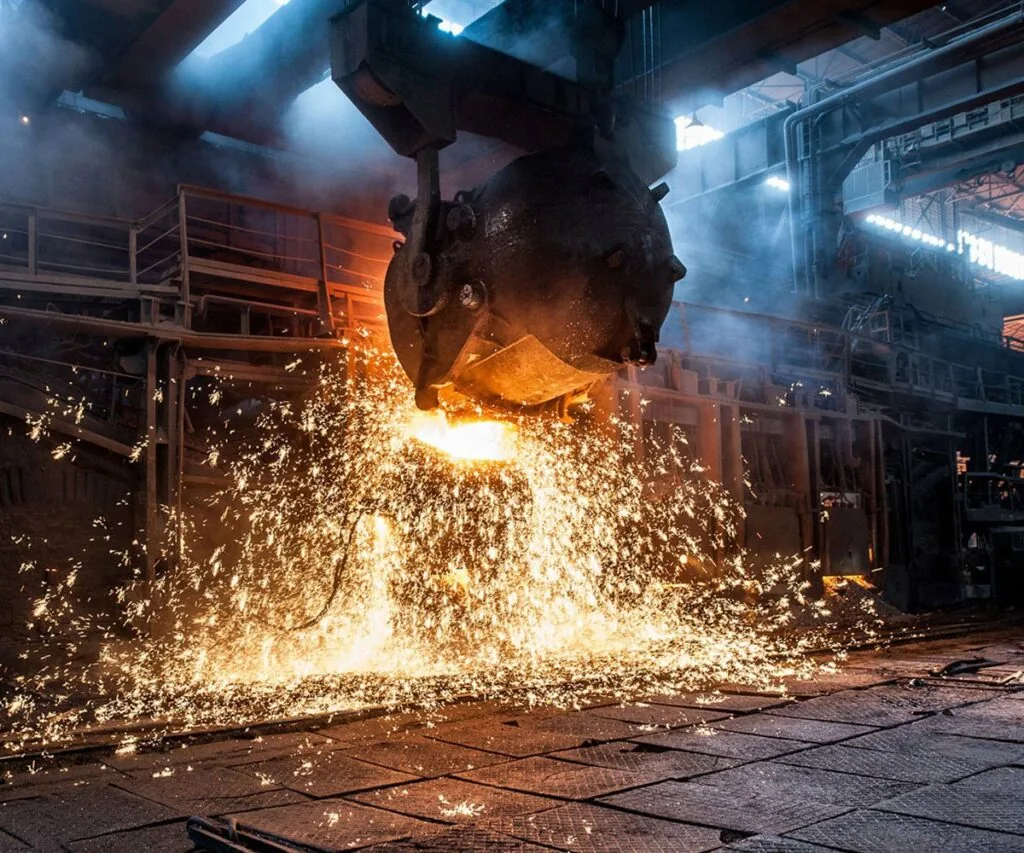
Industrial growth has always been driven by innovation, scale, and efficiency. However, in today’s complex and highly regulated industrial environments, growth without safety is no longer sustainable. Safety-first engineering has emerged as the foundation upon which modern industries are built, enabling organizations to expand operations while protecting people, assets, and long-term investments.
The Evolution of Safety in Engineering
In the past, safety was often treated as a reactive measure — addressed after incidents occurred or when regulations demanded compliance. Modern engineering has transformed this mindset. Today, safety is integrated into every phase of engineering, from conceptual design and material selection to installation, operation, and maintenance.
Safety-first engineering recognizes that accidents, failures, and system breakdowns are rarely isolated events. They are usually the result of overlooked risks, poor planning, or compromised standards. By embedding safety into engineering processes, organizations can identify and mitigate risks before they escalate into serious incidents.
Safety as a Strategic Business Advantage
Safety-first engineering is not just about compliance; it is a strategic business decision. Companies that prioritize safety experience fewer disruptions, reduced downtime, and lower long-term operational costs. Workplace incidents lead to production losses, legal liabilities, reputational damage, and decreased workforce morale.
Conversely, safe working environments promote confidence, efficiency, and productivity. Employees who feel protected perform better, make fewer errors, and remain committed to their organizations. Clients and stakeholders are also more likely to trust partners who demonstrate a strong commitment to safety and responsibility.
Integrating Safety from Design to Execution
True safety-first engineering begins at the design stage. Engineers must evaluate potential hazards, load capacities, environmental conditions, and operational stresses before a project is executed. Risk assessments, simulations, and safety calculations ensure that systems are built to withstand real-world conditions.
During execution, strict adherence to engineering standards, quality control procedures, and safety protocols ensures that designs are implemented correctly. Regular inspections, testing, and monitoring help maintain safety throughout construction and installation phases.
Regulatory Compliance and Beyond
Modern industries operate under strict national and international safety regulations. While compliance is mandatory, safety-first engineering goes beyond meeting minimum requirements. It focuses on creating systems that exceed safety expectations, ensuring durability, reliability, and operational excellence.
Organizations that proactively adopt higher safety standards are better prepared for audits, inspections, and future regulatory changes. This forward-thinking approach minimizes disruptions and strengthens long-term sustainability.
Supporting Sustainable Industrial Growth
Sustainable growth requires systems that can operate reliably over time. Safety-first engineering reduces equipment failures, environmental risks, and operational interruptions. By prioritizing safety, industries protect not only their workforce but also their investments and future expansion plans.
In an era where industrial growth is closely scrutinized, safety-first engineering stands as the backbone of progress — enabling industries to grow responsibly, efficiently, and with confidence.